Serving Nashville and the Middle Tennessee Area

Beating Middle Tennessee Humidity: Is a Whole-Home Dehumidifier Right for You?
Summer in Middle Tennessee is beautiful, but it comes with a definitive climate challenge that every resident from Nashville and Murfreesboro up to Clarksville knows all too well. The atmospheric moisture rolling in from the Gulf of Mexico settles over the Cumberland River Valley, turning our July and August afternoons into sticky, oppressive experiences. When the outdoor humidity consistently climbs past 70 percent, your home can quickly begin to feel less like a comfortable sanctuary and more like a greenhouse.
Many homeowners assume that their central air conditioner is completely equipped to handle seasonal moisture on its own. They turn down the thermostat, hoping that colder air will solve the heavy, clammy feeling indoors. However, managing indoor comfort requires a careful balance of both temperature and moisture control. When the air conditioning system is forced to do all the heavy lifting alone, it results in high utility bills and unnecessary wear on your equipment. At Maynard Plumbing, Heating & Cooling, we have spent over 85 years keeping Middle Tennessee households comfortable. This guide explores the true impact of high relative humidity on your living space and helps you evaluate whether a whole-home dehumidifier is the missing piece to your indoor comfort puzzle.
The Invisible Variable: Understanding Relative Humidity
To achieve an optimal indoor ecosystem, your home’s relative humidity should ideally stay between 30 and 50 percent. When moisture levels cross into the 60 percent threshold and stay there, your indoor air changes dynamically.
The Physical Impact on Your Body
High relative humidity prevents your skin from evaporating moisture naturally. When the air is already saturated with water vapor, your body cannot shed heat efficiently, which is why a 75-degree room with high humidity feels significantly hotter and more suffocating than a 75-degree room with crisp, balanced air.
The Structural Threat to Your Home
Our region features a mix of historic architecture and rapid modern residential construction. High indoor moisture treats these structures harshly:
- Wood Degradation: Excessive water vapor causes hardwood floors to cup, crown molding to warp, and wooden doors to swell inside their frames.
- Organic Mold Cultivation: Damp drywall and unconditioned crawlspaces provide the perfect environment for mold spores and mildew to grow, leading to persistent musty odors.
- Dust Mite Proliferation: These common microscopic allergens thrive when relative humidity stays above 50 percent, triggering respiratory issues for asthma sufferers.
The Limits of Your Standard Air Conditioner
Your central air conditioner is technically a dehumidifier by design. As warm, damp indoor air passes over the freezing evaporator coil inside your air handler, the water vapor condenses into liquid drops and drains away outside. However, this process only occurs when the system is actively running a cooling cycle.
The Dilemma of the Shoulder Seasons
Middle Tennessee experiences extended spring and autumn periods, along with rainy summer days where the outdoor temperature hovers in the high seventies. On these days, your home does not require much cooling to hit the target temperature on your thermostat.
Because the air conditioner cycles off quickly, it does not run long enough to strip the moisture from the air. This results in a phenomenon known as over-cooling, where your home environment feels cold, damp, and distinctly clammy.
The Threat of Short-Cycling
When an air conditioner is forced to handle extreme latent moisture loads without assistance, it often experiences short-cycling. The thermostat registers a drop in temperature and shuts the unit down, but the heavy moisture remains suspended in the rooms. The frequent turning on and off strains your compressor pump and capacitors, shortening the overall operational lifespan of your HVAC investment.
The Whole-Home Dehumidifier Solution
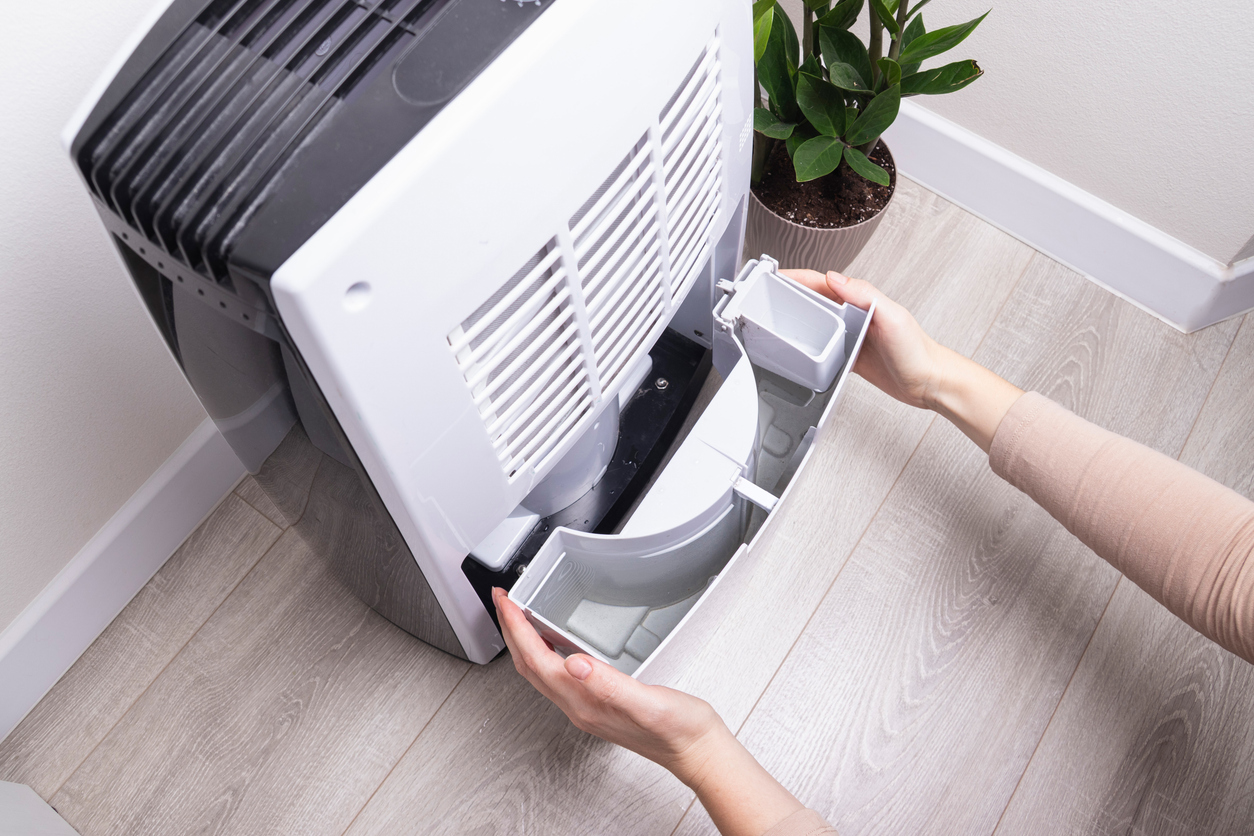
A whole-home dehumidifier is a dedicated mechanical system integrated directly into your existing ductwork or air handling package. Instead of treating a single room like a noisy portable plastic unit, a whole-home system monitors and balances the moisture profile of your entire property seamlessly.
How the System Functions
The device operates in tandem with your thermostat or a dedicated humidistat. When the indoor relative humidity climbs above your pre-set threshold, the whole-home dehumidifier engages. It pulls damp air from your return ducts, passes it through an internal refrigeration circuit to extract the excess water volume, and sends the dried, comfortable air back through your supply vents. The collected water is discharged automatically down your primary plumbing drain, meaning you never have to empty a plastic bucket.
Key Indicators That You Need a Whole-Home Upgrade
Every home handles regional weather shifts differently depending on its insulation values, shade tree distribution, and architectural style. If your residence exhibits any of the following symptoms, a whole-home moisture control system is highly recommended.
- Persistent Musty Odors: A distinct, earthy smell when you enter your home or basement indicates that moisture is pooling inside your structural cavities.
- Condensation on Windows: Water droplets bead up on the interior glass panels of your windows during humid summer mornings.
- Sticky Leather and Fabrics: Your furniture, bedsheets, and clothing feel slightly damp or cool to the touch, even when the air conditioner is running.
- Climbing Energy Bills: You find yourself constantly dropping your thermostat down to 68 degrees just to achieve a comfortable sleeping environment.
- Slow Drying Times: Towels in your bathroom or clothes on a drying rack remain damp for over a day after use.
The Financial Math: How Dehumidification Saves Money
While installing a whole-home air quality system requires an upfront financial investment, the long-term operational savings are significant for Middle Tennessee homeowners.
Thermostat Optimization
When you remove the heavy moisture from your indoor air, your home feels inherently cooler. Balanced air at 74 degrees feels substantially more comfortable than damp air at 70 degrees. By allowing you to raise your thermostat setting by several degrees during the peak summer months without sacrificing comfort, a dehumidifier reduces the runtime of your high-amperage AC compressor, leading to lower monthly electric statements.
Protecting Your Mechanical Equipment
By taking the moisture management burden off your air conditioner, your cooling system runs fewer, more efficient cycles. This reduction in operational mechanical friction can add several years to the lifespan of your furnace or heat pump, keeping your manufacturer’s warranties secure.
Take Control of Your Indoor Environment
Middle Tennessee humidity is a fact of life, but it does not have to dictate your indoor lifestyle or threaten your home infrastructure. By installing a whole-home dehumidifier, you can establish an environment that is consistently crisp, clean, and highly energy-efficient.
Stop fighting the summer mugginess with temporary fixes. Contact Maynard Plumbing, Heating & Cooling today to schedule an indoor air quality evaluation with our expert team. Let the Maynard Man deliver the clean, reliable comfort your family deserves all year long.
Recent News
AC Repair vs. Replacement for Nashville Homes Before Peak Summer Heat
HVAC Maintenance & Middle Tennessee: Why Your Antioch or Smyrna Home Needs Regular System Checks
Tennessee Humidity & Your AC: Why Your Nashville Home Feels “Sticky” Even When It’s Cool
Preventing HVAC Failure: Preparing Your Heating System for Tennessee’s Winter “Deep Freezes”
How to Protect Your Pipes from Freezing During Cold Weather in Nashville
5 Signs Your Water Heater Needs Repair Before Winter Arrives in Nashville
How Regular Drain Cleaning Can Prevent Costly Plumbing Emergencies
Schedule Service