Serving Nashville and the Middle Tennessee Area

Why Some Nashville Homes Struggle to Stay Cool During Tennessee Heat Waves
Mid-summer in Middle Tennessee brings a unique brand of intense heat. When a July or August heat wave settles over Nashville, Davidson County, and the surrounding areas, temperatures routinely skyrocket into the upper nineties. Combined with the thick, heavy humidity rolling off the Cumberland River, your home air conditioner is forced into a brutal endurance test. During these extreme weather spikes, many local families notice a frustrating problem: despite running non-stop all day long, their cooling system simply cannot keep the indoor air comfortable.
Discovering that your home feels more like a sauna than a cool retreat is incredibly stressful, especially when your monthly Nashville Electric Service bills keep climbing. Many homeowners assume that a warm upstairs bedroom or a humid living room means their air conditioner is broken and needs to be completely replaced. In reality, a home’s inability to fight off a heat wave is usually caused by a combination of hidden insulation gaps, out-of-date equipment configurations, and the physics of extreme heat transfer. Maynard Plumbing, Heating & Cooling has been helping families throughout the region master their indoor comfort for decades. This simple guide breaks down the everyday reasons why Nashville homes struggle to stay cool during major heat waves and the practical steps you can take to reclaim your home comfort.
The Attic Heat Trap: How Your Roof Undermines Your AC
The single biggest enemy of your home’s air conditioner isn’t actually the air outside your windows. It is the scorching pocket of air trapped directly above your head inside your attic space. On a typical 95-degree Nashville afternoon, radiant solar energy can cause your attic floor temperatures to surge past one hundred and thirty degrees.
Why Poor Attic Engineering Chokes Out Your Cooling
When your attic isn’t properly sealed or ventilated, it acts like a giant heating pad sitting on top of your living spaces, working directly against your air conditioner:
-
Radiant Thermal Downward Bleed: As heat packs into your roofline, it continuously conducts downward through your ceiling drywall, warming up your second-floor bedrooms and forcing your AC to run around the clock.
-
Crushed or Undersized Insulation Beds: Over the years, standard fiberglass attic insulation can settle, flatten, or drift out of place. If your home has less than fourteen inches of clean insulation, outdoor heat will slip right past the barrier.
-
Blocked Soffit and Ridge Ventilation Paths: Many older Nashville homes have attic vents that have been accidentally blocked by loose insulation or nesting pests, preventing hot air from naturally exhausting out through the roof peak.
-
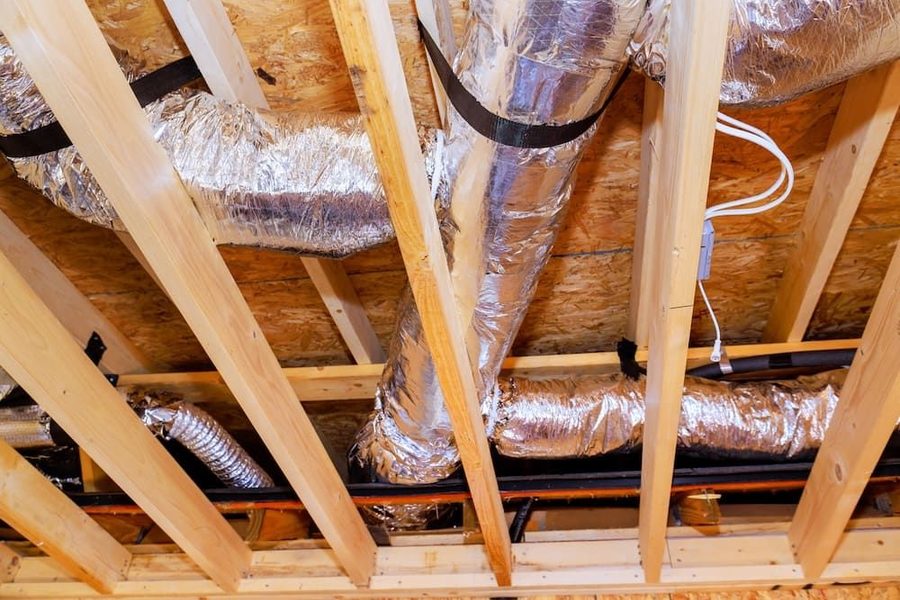
Leaky AC Ductwork Trapped in Hot Spaces: If your central air conditioning ducts run through an unconditioned attic, a single loose joint will suck in blazing, dusty attic air, pumping warm drafts straight out of your ceiling vents.
The Humidity Factor: Why Sticky Air Feels Way Too Hot
Tennessee summers are notoriously sticky, and that heavy airborne moisture plays a massive role in how comfortable your home feels. An air conditioner has two separate jobs to do: it must lower the actual air temperature, and it must wring excess water vapor out of the air.
How Excess Moisture Overloads Your Cooling Equipment
When your home’s internal humidity levels climb above fifty percent, your indoor air will feel significantly warmer than the actual number printed on your thermostat display:
-
Slowing Down Your Body’s Natural Cooling: High indoor humidity stops your skin from naturally evaporating moisture, making you feel hot and sticky even if the air conditioner is actively blowing air.
-
Frozen Indoor Evaporator Coil Blocks: When your AC tries to process excessively humid air through a dirty air filter, moisture can quickly freeze solid across the metal cooling coils, completely blocking all airflow.
-
The Struggle of Oversized Cooling Systems: If a past contractor installed an air conditioner that is too large for your home’s square footage, the unit will cool the house down too quickly and shut off before it has a chance to pull moisture out of the air.
-
Stagnant Air in Multi-Story Properties: Without balanced return grilles, heavy, damp air settles on lower levels while lighter, blazing air stays trapped upstairs, creating massive temperature imbalances across your home plan.
Practical Troubleshooting Steps to Take Right Now
If your air conditioner is actively struggling to keep up with a current Nashville heat wave, you don’t have to sit around in discomfort while you wait for a service professional to arrive. Implementing a few basic adjustments around your property can instantly ease the load on your system.
Simple Ways to Reduce Your Home’s Heat Load
Taking a few proactive, low-cost management steps helps protect your cooling hardware from hitting its thermal limit during intense summer afternoons:
-
Install a Fresh, Clean Air Filter: A dusty, clogged filter forces your system to work twice as hard to move air. Swapping in a fresh filter every thirty days during the summer is the easiest way to keep your system happy.
-
Block Direct Sunlight with Thermal Shades: Direct afternoon sunshine passing through window glass acts like a high-powered greenhouse heater. Keep your western and southern blinds completely closed to block radiant solar energy.
-
Clear Debris Away from the Outdoor Unit: Check the metal cabinet sitting outside your house. Ensure that grass clippings, weeds, and fallen leaves aren’t choking the metal fins so the fan can successfully dump heat into the air.
-
Run Heavy Heat Appliances in the Evening: Avoid running your clothes dryer, dishwasher, or open kitchen range during the hottest hours of the afternoon, as these appliances dump massive amounts of heat and moisture right into your living zones.
Long-Term Strategies for Reliable Summer Comfort
Surviving an intense Middle Tennessee heat wave requires a home utility grid that is engineered to handle both high temperatures and relentless humidity. While simple tricks like updating your air filter and drawing your living room curtains can help ease the burden on your equipment, solving chronic cooling struggles usually requires looking at your home as a complete ecosystem. Upgrading to a modern, variable-speed air conditioner, fixing leaky ductwork, and sealing your attic floor transforms how your home processes power. By taking a proactive approach to your climate infrastructure before the next heat wave spikes, you permanently lower your monthly electric bills, eliminate breakdown anxiety, and ensure your home stays a cool, refreshing sanctuary all summer long.
Secure True Peace of Mind with Maynard
You shouldn’t have to suffer through sticky, uncomfortable afternoons inside your own home. The friendly, licensed team at Maynard Plumbing, Heating & Cooling has been keeping Nashville households safe and comfortable for years with honest advice and master-level trade precision. We specialize in comprehensive home comfort audits, precision AC repairs, and installing high-efficiency variable-speed cooling networks that thrive in our unique southern climate. Our technicians provide upfront, transparent pricing options with absolutely zero high-pressure sales tactics.
Contact us today to schedule a cooling system assessment and protect your home’s environment.
Recent News
Beating Middle Tennessee Humidity: Is a Whole-Home Dehumidifier Right for You?
AC Repair vs. Replacement for Nashville Homes Before Peak Summer Heat
HVAC Maintenance & Middle Tennessee: Why Your Antioch or Smyrna Home Needs Regular System Checks
Tennessee Humidity & Your AC: Why Your Nashville Home Feels “Sticky” Even When It’s Cool
Preventing HVAC Failure: Preparing Your Heating System for Tennessee’s Winter “Deep Freezes”
How to Protect Your Pipes from Freezing During Cold Weather in Nashville
5 Signs Your Water Heater Needs Repair Before Winter Arrives in Nashville
Schedule Service